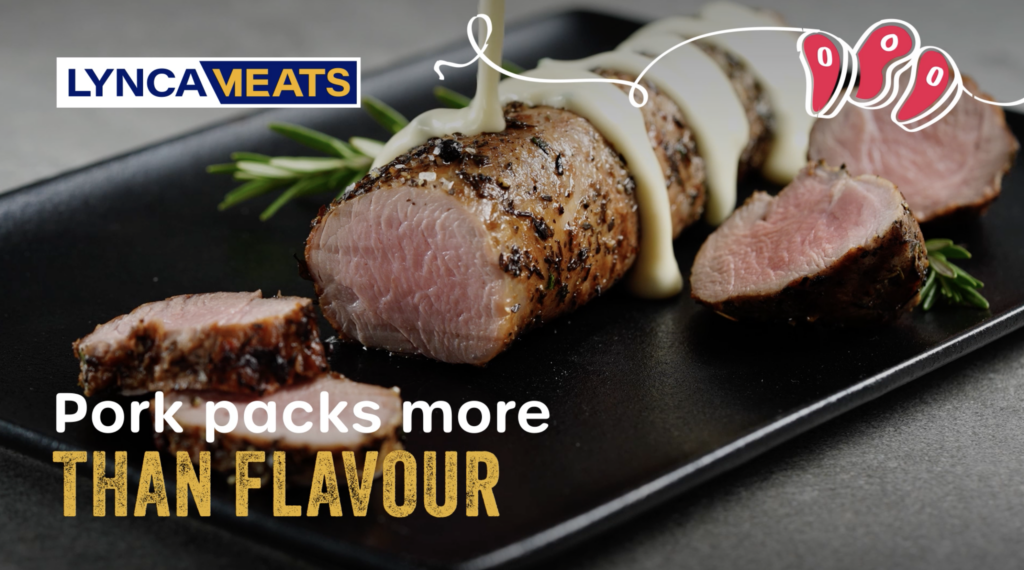
Pork may be known for its flavour and versatility, but it also has plenty to offer from a nutritional perspective. From chops on the braai and Pork fillet on the grill to lean Pork in salads, stir-fries, and everyday family meals, Pork can be part of a varied, balanced diet.
Lean Pork is a nutrient-dense food, providing high-quality protein alongside a range of essential vitamins and minerals.
Pork Is a Good Source of Protein
Protein is one of the key nutrients found in Pork.
The exact protein content varies by cut and preparation. For example, boneless Pork top-loin chop shows about 22.8 g of protein per 100 g of lean meat.
Protein contributes to the maintenance of muscle tissue and forms part of a healthy, balanced eating pattern. For active individuals and families looking for protein-rich meal options, lean Pork provides plenty of versatility.
Try lean Pork in:
- Kebabs
- Stir-fries
- Salads
- Wraps
- Rice or grain bowls
Pork Provides Important B Vitamins
One of Pork’s nutritional strengths is its B-vitamin content.
Pork provides thiamine (vitamin B1), niacin (vitamin B3), vitamin B6 and vitamin B12, among other nutrients.
Thiamine
Pork is particularly well known as a source of thiamine. Thiamine plays an important role in normal energy metabolism and helps the body use nutrients from food.
Niacin
Niacin is involved in many processes in the body, including converting nutrients into usable energy.
Vitamin B6
Vitamin B6 is involved in many enzyme reactions in the body and plays an important role in protein metabolism, immune function and haemoglobin formation.
Vitamin B12
Pork also provides vitamin B12, an important nutrient involved in processes including red blood cell formation.
A Source of Selenium
Pork provides selenium, an essential trace mineral needed by the body in relatively small amounts.
Selenium has several important biological functions and contributes to normal immune and physiological processes. Lean Pork can therefore help contribute selenium to a varied diet.
Pork Also Provides Zinc, Iron and Other Minerals
The nutritional value of Pork goes beyond protein and B vitamins.
Depending on the cut, Pork can provide a range of minerals including:
- Zinc
- Iron
- Selenium
- Magnesium
- Phosphorus
- Potassium
This combination of macronutrients and micronutrients is why lean Pork is considered a nutrient-dense food.
Is Pork High in Fat?
Not necessarily.
Pork fat content varies considerably by cut, so choosing the right cut can make a big difference.
For example, raw boneless Pork top-loin chop has approximately 3.4 g of total fat per 100 g of lean meat, while fattier cuts such as Pork belly and ribs naturally contain considerably more fat.
If you’re looking for a leaner meal, choose cuts such as Pork fillet or lean Pork chops, trim visible fat where appropriate and opt for cooking methods such as grilling, braaiing, roasting or air frying.
Making Pork Part of a Balanced Meal
Nutrition isn’t only about one ingredient – it’s about what you put together on the plate.
Pair lean Pork with plenty of colourful vegetables, salads, whole grains or other high-fibre carbohydrates for an easy, balanced meal.
Think:
Grilled Pork fillet with roasted vegetables and couscous
Pork kebabs with fresh salad and corn on the cob
Lean Pork stir-fry with crunchy vegetables and rice
Pork chop with seasonal salad and baby potatoes
And with South Africa heading into warmer weather, lean Pork is an easy protein to take from the kitchen straight onto the braai.
Pork: Nutrition Meets Versatility
Pork’s versatility may be one reason we love cooking with it, but its nutritional profile deserves attention too.
With high-quality protein, B vitamins and important minerals including selenium, zinc and phosphorus, lean Pork can be a nutritious addition to a varied, balanced diet.
Whether you’re braaiing Pork chops, grilling kebabs, roasting a fillet or adding Pork strips to a fresh summer salad, there are plenty of ways to bring both flavour and nutrition to the table.
Explore more LYNCA Pork recipes and discover a new way to put Pork on the menu.https://lyncameats.co.za/recipes/